
Industry
Why India is a wide-open market for caravan parks
Indian travellers are camping in growing numbers, several states have caravan tourism policies, and there are still very few proper caravan parks. Why that gap is a business opportunity, and what a new park should get right first.
· 5 min read
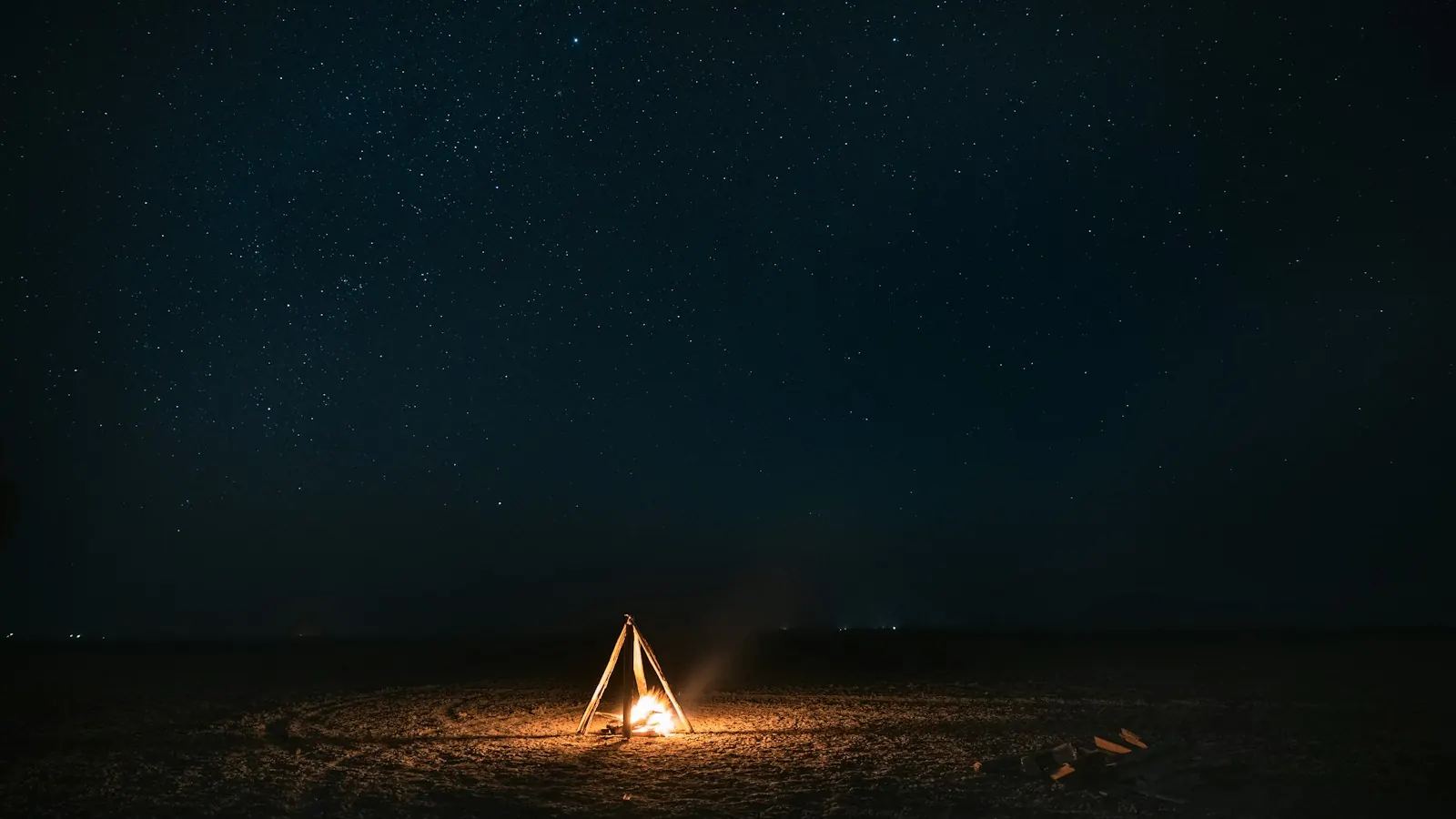
Ask an Indian family where they camped last winter and you might hear about a Swiss tent on a riverbank outside Rishikesh, or a desert camp near Jaisalmer with folk music after dinner. Ask where they parked a caravan for the night and most will laugh.
Plenty of people in India camp now. There are still very few places to plug a caravan into power and water overnight. The travellers exist, several state governments are offering incentives, and hardly anyone has built the parks yet.
India already travels by road
The Ministry of Tourism counted about 2.5 billion domestic tourist visits in 2023. A lot of those trips happen by car: Bengaluru to Coorg for a long weekend, Delhi up into the Himachal hills, Pune down to the Konkan coast. A family driving themselves wants a stop that is cleaner than a dhaba car park and cheaper than a resort.
Camping has grown with it. IMARC Group valued the Indian glamping market at about US$118 million in 2024 and expects it to pass US$300 million by 2033. Those figures mostly cover tents with beds and attached bathrooms, but they show that people will pay to sleep outdoors when somebody else looks after the toilets.
The states moved before the parks did
In 2021 the Ministry of Tourism published national guidelines for caravans and caravan camping parks, and several states wrote their own policies on top. Kerala launched Keravan Kerala that year and opened its first caravan park at Vagamon, in the hills of Idukki district. Maharashtra approved a caravan tourism policy that registers caravans and parks with the state tourism directorate and offers incentives to both.
Caravan hire companies now operate in Kerala, Maharashtra and around Delhi. A couple who rents one for a week still has a short list of overnight stops with a proper power point, fresh water and somewhere to empty the tanks. Most end up on a hotel car park or a resort lawn with an extension lead running out of the kitchen.
What a park in India needs
The basics match any caravan park in the world: level ground, power, water and clean amenities. Indian families weigh two things more heavily than most:
- A staffed gate and lighting at night, which parents ask about before they ask the price
- Toilets and showers clean enough that the family books a second trip
The business case also depends on who you let in. Most Indian campers don’t own a caravan yet. A park that only takes caravans will wait years for the market to catch up, while a park that also rents tents and has room for an SUV with a rooftop tent can fill its weekends now and add powered caravan sites as the hire fleets grow.
Travellers will find you through AI search
More Indian travellers now plan a trip by asking an AI assistant. A family in Mumbai might ask one before a long weekend which campsites near Lonavala have power for a caravan. The assistant then looks for official websites and current prices, and quotes what it finds.
In a market this young, few parks in India have an official website with prices on it. A new park that publishes its site types, nightly rates in rupees and a photo of the amenities block has a fair chance of being the park the assistant names. A park that lists only a WhatsApp number gives it nothing to quote.
Get the booking side right from the start
Australia and New Zealand have had caravan parks for generations, and many of them still take bookings over the phone and lose the guests who call after the office shuts. A park opening in India today doesn’t have to pick up that habit.
We build Spacecamps for caravan parks in Australia and New Zealand, so we see what the phone habit costs owners every week. The parks that stay full put their sites, prices and open dates on a page a guest can book from at 11pm without ringing anyone. Whatever an Indian park uses to run its bookings, that page is the part to get right first, with live availability and prices that already include every compulsory fee.
After that it comes down to land. Find a flat field with a view and a reliable power connection, near a highway families already drive on weekends, and put the rates on your website before the first guest arrives.
See your sites as guests would
Set up your park and booking page on a free trial.