
Marketing
Google reviews: why they bring your caravan park more bookings
Guests choose a caravan park by reading what other campers wrote about it. How Google reviews turn into bookings, how to collect more of them within the rules and how to answer the bad ones.
· 5 min read
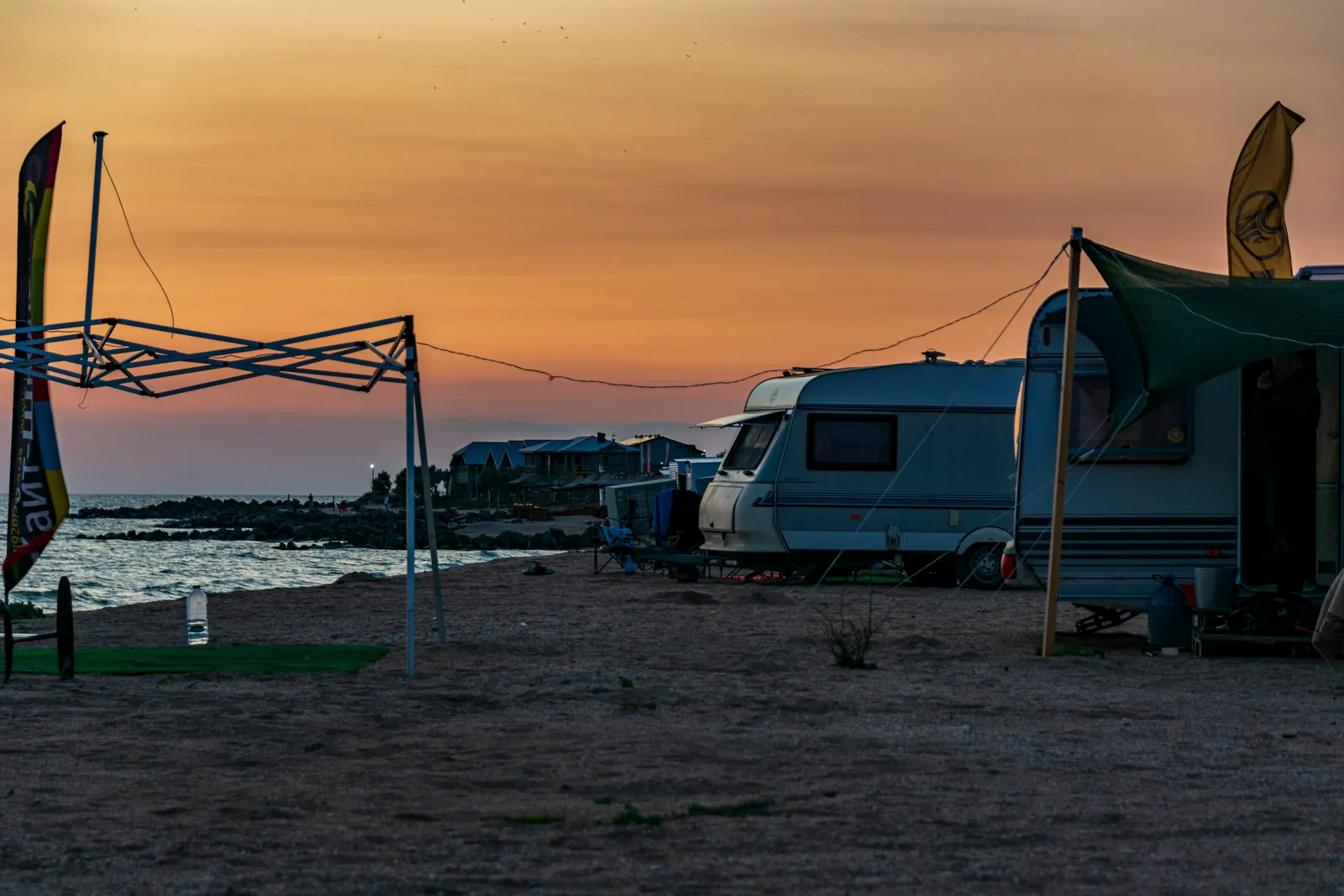
Watch a family pick a caravan park and you’ll see the same thing happen. They open Google Maps over the town they’re heading to, a handful of pins come up, and their thumb goes to the star rating. The park on 4.7 from 600 reviews gets a tap. The one on 3.9 from 40 gets scrolled past, even if it sits closer to the beach.
For most parks, those reviews decide more bookings than the website does. An independent park can build them up without paying anyone, and the weeks before summer are a good time to start.
Guests read reviews before they read your website
On Google Maps your listing shows the rating and the number of reviews before anything else. Tap it, and under the photos sit the latest comments from guests. Plenty of travellers make up their mind on that screen and only open your website to check a price or book.
The count matters as much as the score. A 4.8 from twelve reviews looks like the owner’s friends wrote them, while a 4.5 from four hundred looks like a real park that most people enjoyed. Guests check the dates too. If the newest review is from 2023, they start to wonder whether anyone still runs the place.
Reviews decide who gets recommended
Google ranks local results partly on reviews. A park with more of them, a better rating and a steady run of new ones tends to sit higher when someone searches for a caravan park near Merimbula or drags the map along the coast.
More travellers now ask an AI assistant where to stay, and before it answers, the assistant runs its own searches, often with the word “reviews” added. For a plain fact, such as what a powered site costs in January, it reads the park’s own website. When the question is which park is best, it relies on what guests have written elsewhere, since every park’s website calls the park lovely.
So your website carries the facts and your reviews carry the recommendation. You need both, and of the two, reviews take longer to build.
Ask every guest, the day they leave
Most happy guests never write a review because nobody asked them to. Unhappy ones need no prompting. Asking evens that out more than anything else you can do.
The best time is checkout day or the morning after, while they still remember the sunset from site 22 and before the unpacking starts. Your Google Business Profile gives you a short link that opens the review form directly. Put it where guests already look:
- A thank-you email after checkout, with one line of thanks and the link
- A QR code on the amenities block door and at reception
Grey nomads who stayed a fortnight over winter tend to write the longest, kindest reviews. If you haven’t asked last season’s long-stay guests yet, email them this week.
Stay inside the rules
Ask every guest, including the ones you suspect had a mixed stay. Google’s policies ban sending happy guests to Google while steering unhappy ones to a private feedback form, and the ACCC treats a set of reviews filtered that way as misleading to consumers.
Don’t offer a discount or a free night for a review either. Google removes reviews it believes were paid for, and an incentive offered only for good reviews can breach consumer law. Reviews written by staff or family break the same rules, and so does a bad review left on the park down the road.
Answer the bad ones briefly
Every park gets a one-star review eventually. Someone arrived at 9pm to a dark office, or the hot water ran out on 28 December. The next family reads your reply as closely as the complaint.
Thank the guest, explain what happened in a sentence and say what you changed. Leave out the argument about who was right, even when you were. “Sorry the showers ran cold over New Year. We’ve added a second hot water unit for this summer” tells a future guest more about your park than a dozen five-star reviews.
Reply to the good ones too, and mention something they wrote about, like the bike track or the dog beach, so they can see a person read it.
Give guests less to complain about
Read your last fifty reviews and tally the complaints. At most parks the same few keep coming up: a queue at check-in, a booking the office couldn’t find, a price at the gate that didn’t match the website. Nearly all of them happen in the hour around arrival.
Fix those before the summer holidays and your rating climbs with no extra effort, because a guest who drove in, found their site and had the kettle on in ten minutes writes about the beach.
Where your booking system fits
A booking system can’t write reviews for you, but it shapes a lot of what guests end up writing. With Spacecamps, guests book on your park’s own page with the full price shown up front and can check in online before they arrive, so less goes wrong at the gate. Every booking keeps the guest’s email address, which turns the thank-you email with your review link into a short job after each changeover.
Whatever you use, start asking now. The reviews you collect in the next few weeks are the ones a family reads in December when they decide where to spend Christmas.
See your sites as guests would
Set up your park and booking page on a free trial.