
Industry
The unexpected outdoor boom: why camping is taking off in the Philippines
Weekend campsites are filling up in Rizal, Batangas and Bukidnon, and the Department of Tourism now accredits campgrounds. Why camping in the Philippines has grown so fast, and what a new campsite should get right before the next dry season.
· 5 min read
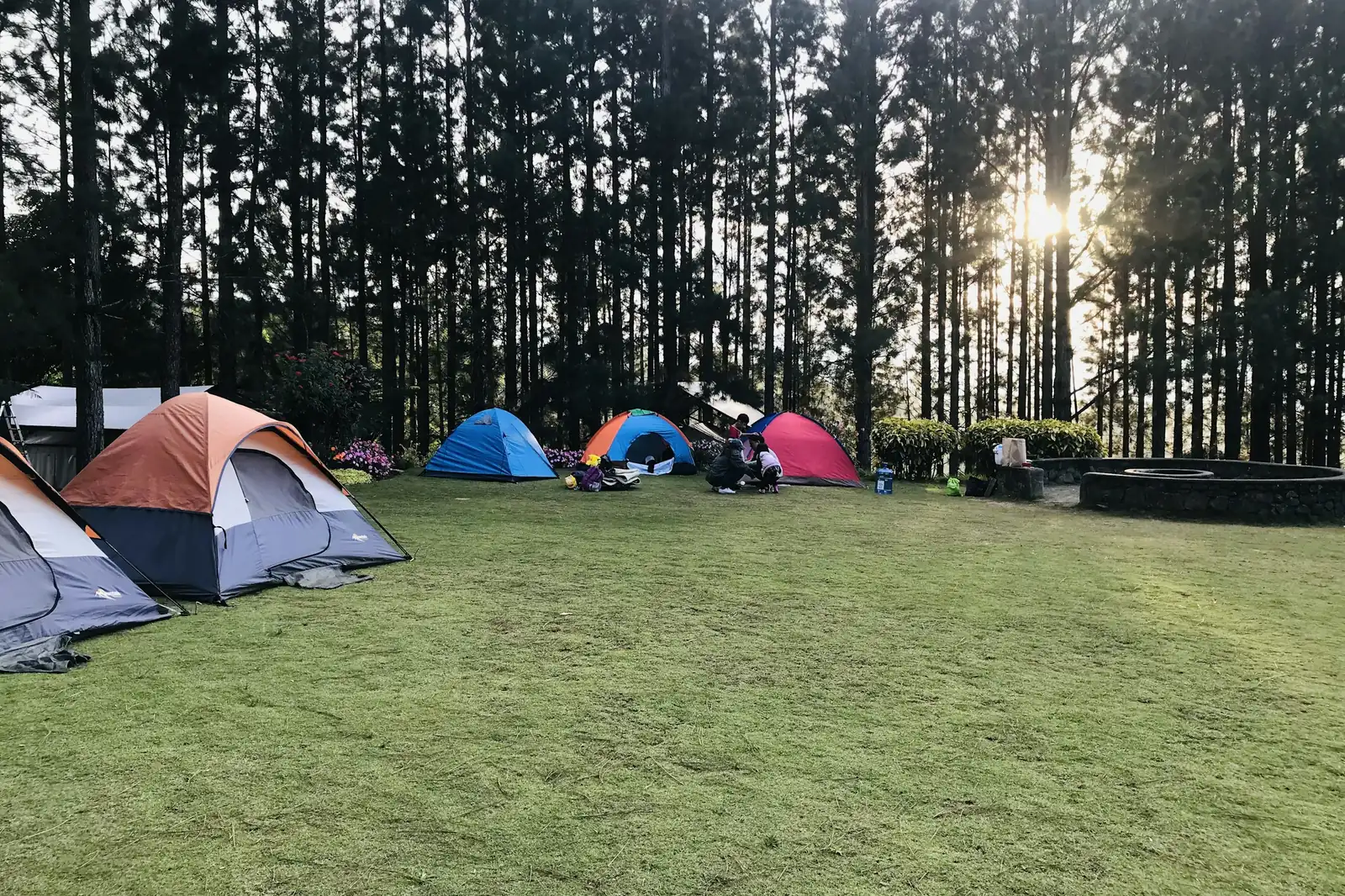
Ten years ago, a Manila office worker who said they were going camping for the weekend usually meant a permit and a borrowed tent for the climb up Mt. Pulag. Now they probably mean a grassy ridge in Tanay, an hour and a bit from the city, where someone else has already pitched the tent and the kettle is on.
Camping in the Philippines grew up fast. Barkadas and young families now fill campsites that barely existed before 2020, and the government has started writing rules for them. For anyone with a few hectares of flat land in the hills or by the sea, that is a business worth looking at.
A country that rediscovered the outdoors
The lockdowns of 2020 and 2021 pushed a lot of Filipinos outside for the first time in years. Malls and resorts were shut, and an open hillside with space between tents felt safe. Campsites in Rizal, Laguna and Batangas opened to meet that demand, and when travel came back, most of their guests kept coming.
The people driving it are young. Gen Z and millennial Filipinos plan weekend trips with their phones, post the sunrise over the sea of clouds and come back with friends a month later. IMARC Group put the glamping market in the Philippines at about US$72 million in 2025 and expects it to reach about US$186 million by 2034. That figure only counts the comfortable end of the market, with beds and a private bathroom, so the full camping market is bigger.
Where Filipinos are camping
Most of the growth sits within a three-hour drive of a big city. Tanay and Antipolo in Rizal are the weekend default for Metro Manila. Batangas has beach camping on coves south of Nasugbu. Further north, Sagada and the Cordillera draw people who want cold nights and pine forest.
Mindanao has its own version. Around Manolo Fortich and Dahilayan in Bukidnon, campsites sit on lawns under the pines at over 1,000 metres, where a Cagayan de Oro family can trade 33 degrees for a jacket in about ninety minutes.
The Department of Tourism caught up
Until recently, campgrounds fell outside the national accommodation standards. A hotel had rules to follow, while a field with tents had none. In November 2024 the Department of Tourism brought in national standards for accrediting campgrounds and glamping sites, billed as the first of their kind in Southeast Asia.
Accreditation is voluntary, but it matters if you want the DOT to promote you, and the standards read like a guest’s checklist anyway:
- A certified first-aider on site and staff trained in safety and security
- Radios or phones that work on site, and a written emergency plan with the information posted where guests can find it
Parents read those standards as a reason to trust a campsite. A site that meets them can say so on its website and at the gate.
Weather sets the calendar
Camping in the Philippines follows the dry season. From December to May the weekends fill, and Holy Week is the peak: in 2027 it runs from 21 to 28 March, and popular sites near Manila can sell out weeks ahead. From June to November, typhoons and heavy rain empty the calendar and close some hillside roads.
A campsite that plans for this does better than one that waits for it. Build covered cooking areas and raised tent platforms before the rains, and write down what happens to a booking when PAGASA raises a storm signal. Take a deposit on Holy Week bookings so a no-show doesn’t cost you the busiest night of the year.
How campers find a site now
Plenty of campsites in the Philippines still run on a Facebook page and a Messenger inbox. A guest sends “avail po?” at 10pm, waits until morning for an answer, and by then has booked somewhere that replied first.
More travellers now ask an AI assistant to find them a campsite in Tanay with tents provided, under ₱1,500 a head. Before it answers, the assistant searches for each site’s official page and current prices, and for reviews when the question is which one is best. A campsite whose rates for 2026 only live in a Facebook comment thread gives it nothing to quote. One with its own page listing tent types, prices in pesos, what the fee includes and the rules on pets and bonfires has a fair chance of being named.
Getting the booking side right
We build Spacecamps for caravan parks and campgrounds in Australia and New Zealand, where many parks still lose the guests who ring after the office closes. A new campsite in the Philippines can skip that habit. Give each site its own page with the tents, rates and open dates on it, let guests pick a night and pay without waiting for a reply, and show every compulsory fee in the price before they pay. That page answers the 10pm message for you and gives the AI assistant something to quote.
Then go back to the land. Find flat ground with shade and a road that stays open in August. If the boom in the Philippines keeps going the way it has since 2020, the campsites that put their prices online this dry season will be the ones families already know by the next one.
See your sites as guests would
Set up your park and booking page on a free trial.