
Operations
How online bookings increase caravan park revenue and take work off the owner
Guests who can book a site at 9pm book more nights, and the office answers fewer calls. How online bookings lift a caravan park’s revenue, cut the admin behind each stay and what to have in place before you switch.
· 6 min read
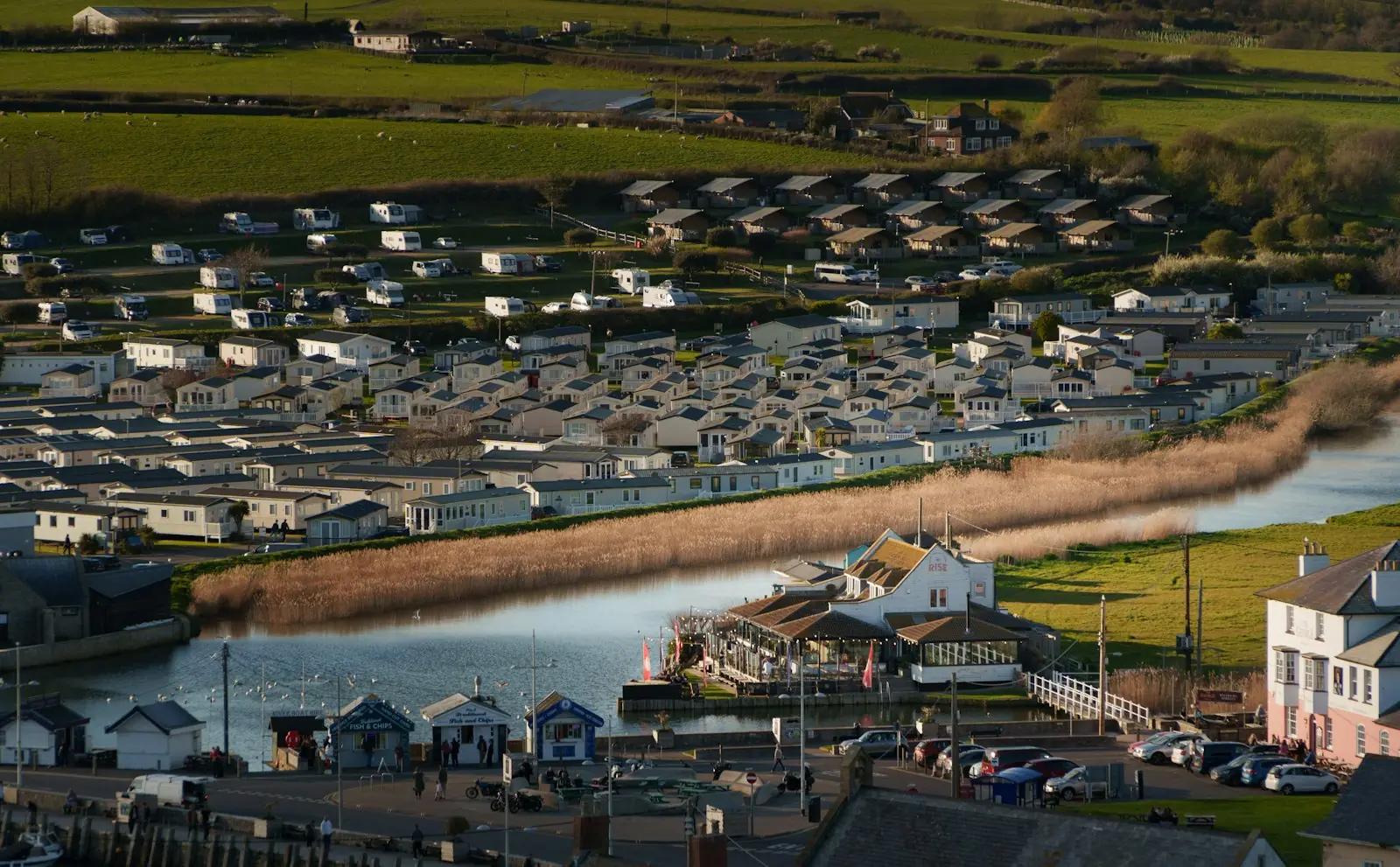
Ask an owner who moved their park to online bookings what changed, and the answer is rarely about software. They talk about the phone going quiet on a Saturday morning, and about finding bookings in the system that arrived at 11pm while they were asleep.
Both of those show up in the numbers. Online bookings bring a park nights it was never going to sell by phone, and they hand back hours of the owner’s week. Here is how that works, and what to sort out before you switch.
Guests book when the office is shut
Most people plan a camping trip in the evening, after work or once the kids are in bed. A park that only takes bookings by phone is closed for exactly those hours. The guest who wanted a powered site for the long weekend doesn’t wait until 9am to ring you. They book the park up the road that let them pick dates and pay on the spot.
Owners who switch usually notice it in the first month. A good share of new bookings land outside office hours, and many of them are from people who would never have left a voicemail. Those guests were always out there, planning trips at night, and the phone was never going to reach them.
Fewer gaps between stays
A paper diary hides short gaps. Site 8 is free on Tuesday and Wednesday between two longer stays, and nobody notices until the nights have gone unsold. When guests can see open dates for themselves, someone travelling through for two nights finds that gap and fills it.
Minimum stays help here too. Set three nights over Easter and two on a normal weekend, and the booking page enforces it every time, including on the busy Saturday when whoever is on the phone would have said yes to a single night to be polite.
Your rates stay current, so you charge the right price
Over the phone, price is whatever the person answering remembers. Peak rates get missed and the extra child gets waved through for free. Over a summer of full weekends, those small misses add up.
Online, the rate card does the work. Peak, shoulder and off-peak prices, weekend rates and charges for extra guests apply on their own, and the guest sees the full price before paying. You also stop arguing about price at the gate, because the guest agreed to it when they booked.
Paid upfront means fewer no-shows
A phone booking is a promise. Some of those guests change their plans and never call to say so, and the site sits empty on a night you turned other people away. A guest who has paid online turns up, or cancels under your terms and frees the site for someone else.
Clear cancellation terms matter more than strict ones. Write them in plain words on the booking page, so guests know what they get back if the weather turns, and you know what you keep.
How much time online bookings give back
A phone booking takes five to ten minutes once you count checking the diary, reading out rates, taking card details and writing it all down. At 40 bookings a week in summer, that is four to seven hours of someone’s week, usually at the moment they are needed at the boom gate or in the amenities block.
An online booking takes none of that time. The guest picks the site, the dates go straight onto the calendar and the confirmation email goes out by itself. Arrivals get easier as well:
- Guests who check in online before they arrive skip the queue at the office
- A late arrival can get the gate code and site number on their phone instead of knocking on the house
The phone keeps ringing, just less. Regulars still call for a chat, and the calls you do get are about real problems, like a 9-metre rig or a dog that isn’t quite small.
Commission decides how much of it you keep
Travel marketplaces bring guests, but they usually keep around 15% of each stay. On a $300 long weekend that is $45 gone. Your own online booking page costs you the card fee and nothing else per night, so every guest you move from a marketplace to your own page adds to what you keep.
Guests will book direct when it is easy. That means your booking link on your website, your Google listing and the sign at the gate, and a booking page that works on a phone with one bar of signal.
Put the facts where guests look first
Before booking, most travellers want the same handful of facts. More of them now get those facts from an AI assistant, which looks on a park’s own website for current prices and rules before it recommends anywhere. Publish these as plain text on your site, next to the booking link:
- Nightly rates for each site type in 2026, peak and off-peak
- Power, the longest van each site fits, pet rules and your cancellation terms
A page that says “call for rates” gives the assistant nothing to quote and gives the guest at 9pm a reason to look elsewhere.
Getting started
You don’t need a big project. Load your sites, set the rates and minimum stays, write down the cancellation terms and connect a way to take card payments. Then put the link everywhere guests already find you.
We built Spacecamps for independent parks that want to do exactly that without a long setup. Each park gets its own booking page where guests see the sites, prices and open dates, then book, pay and check in online. You pay a flat monthly fee, we take no commission on stays and Stripe charges its usual card fee. Whichever system you choose, the first summer will show you how many bookings were arriving after the office had closed.
See your sites as guests would
Set up your park and booking page on a free trial.