
Pricing
The card surcharge ban is official: what it means for caravan park prices
Since 1 October 2026, Australian businesses can’t add a surcharge for paying by Visa, Mastercard or eftpos, and a drip pricing law follows in July 2027. What caravan parks need to change in their rates, fees and website.
· 5 min read
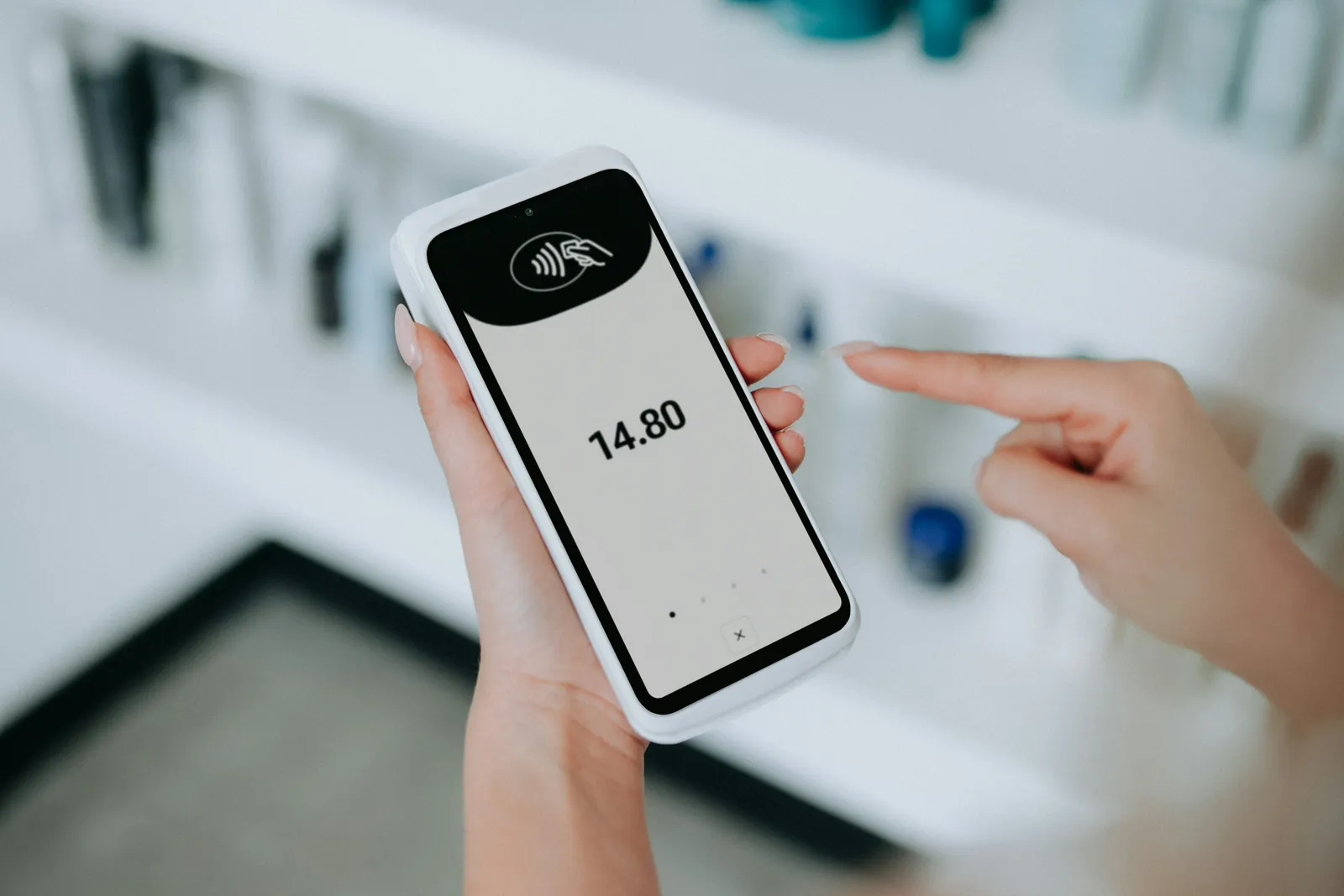
If the sign at your reception still says card payments attract a 1.5% surcharge, it’s time to take it down. Since 1 October 2026, a caravan park can’t add anything to a guest’s bill for paying with a Visa, Mastercard or eftpos card. The Reserve Bank settled the change in March, and it is now official in the rules every card network sets for the businesses that take its cards.
That is the first of two changes. The second is a new drip pricing law Parliament passed in July, which starts on 1 July 2027 and covers how you show fees alongside your prices. Between them, the price a guest sees first has to be very close to the price they pay.
What changed on 1 October
The Reserve Bank published its final report on card payment costs on 31 March 2026, after 18 months of consultation. It chose to remove surcharging instead of capping it. Visa, Mastercard and eftpos now prohibit surcharges on credit, debit and prepaid cards in their merchant rules, and that includes cards issued overseas, which matters for a park with a lot of international backpackers.
The Reserve Bank doesn’t police your park directly. Your bank and the card networks do, through your merchant agreement, so a park that keeps surcharging risks its ability to take cards at all. The ACCC still handles misleading pricing in general.
Part of the same package cut the interchange fees that banks charge each other on every card payment, so most parks should see their own card costs drop a little over the coming months. If yours don’t, ask your provider why. Card types outside the three big networks have their own timelines, so check those with your provider too.
A new name doesn’t make it a different fee
Some fees survive the ban. A park can still charge a booking fee, a public holiday rate or a cleaning fee, as long as every guest pays it however they settle the bill.
Trouble starts when a fee only appears for people paying by card. Call it a “processing fee” or an “online convenience fee”, and if a guest paying cash at reception skips it, the card networks treat it as a surcharge and the ACCC can treat the way it’s presented as misleading. Changing the label on the invoice won’t help.
The drip pricing law arrives in July 2027
On 2 July 2026 Parliament passed the Competition and Consumer Amendment (Unfair Trading Practices) Act 2026. It bans unfair trading practices and adds specific rules for drip pricing and subscription traps. It commences on 1 July 2027, which gives you one full summer season to get ready.
Drip pricing is the habit of showing a low headline rate and adding compulsory charges one checkout step at a time. Under the new law, charges a guest can’t avoid must be shown prominently with the base price. For a park, a $45 powered site that turns into $63 a night once the compulsory cleaning fee and the second-adult charge show up on the payment screen is the kind of pricing the law targets.
You can make the fix now. List the charges every guest pays next to your nightly rate, and keep the optional extras (a dog or linen hire) clearly marked as optional.
Put the card fee into the rate
Card fees still cost you money, so the honest answer is to fold them into your prices for everyone. The numbers are small. At Stripe’s standard Australian rate for domestic cards (1.7% plus 30 cents at the time of writing), four nights at $45 cost you $3.36 in fees on a $180 booking. Lift the site to $46 a night and you keep a little more than the old $180 after Stripe takes its share.
Cash guests pay that extra dollar a night too. That’s how the rules are meant to work: one price for the site, whatever the guest pays with.
Your official prices are the ones AI assistants quote
This matters beyond compliance. Ask an AI assistant what a powered site near Kiama costs and it runs its own searches first, looking for the park’s official website and the current rate.
So the rate on your own website is the rate the guest hears quoted. If your site says $45 and the checkout says $52 after fees, the guest arrives at your booking page already feeling misled, and from July next year that gap could also be a legal problem.
Keep one number on your official website, in plain text, with the compulsory fees beside it. Then make sure the booking page charges that number.
Where booking software fits
We built Spacecamps with these rules in mind. Stripe’s card fee comes out of the park’s payout and never shows on the guest’s bill, and the fee settings warn you off using a fee to win it back. On the booking page each fee and the GST appear line by line with the total, before the guest pays, so the price on your website and the price at checkout can match.
Software won’t set your rates for you, though. Sit down with last season’s bookings, work out what card fees cost you, and decide on a nightly price you are happy to publish. Then take the surcharge sign off the counter.
See your sites as guests would
Set up your park and booking page on a free trial.